Top 10 Mistakes New Private Jet Brokers Make (and How to Avoid Them)
Apr 24, 2026
Starting a career in private aviation brokerage can be rewarding, but many new brokers enter the industry with the wrong expectations. From poor follow-up habits to weak pricing strategies, these common mistakes can slow growth and damage credibility. Here are the top 10 mistakes new private jet brokers make, and how to avoid them.

1. Treating it like a 9-to-5 Job.
Private jet brokering often demands round-the-clock commitment. As one industry blog notes, brokers frequently find themselves working long hours, being available round the clock to handle last-minute changes . Go in expecting early mornings, late nights and travel. Set up a reliable schedule (and downtime) because client needs and flight schedules don’t stop at 5pm. "I still stay up all night staring at Flight Radar until my client's flight lands", says Fred.
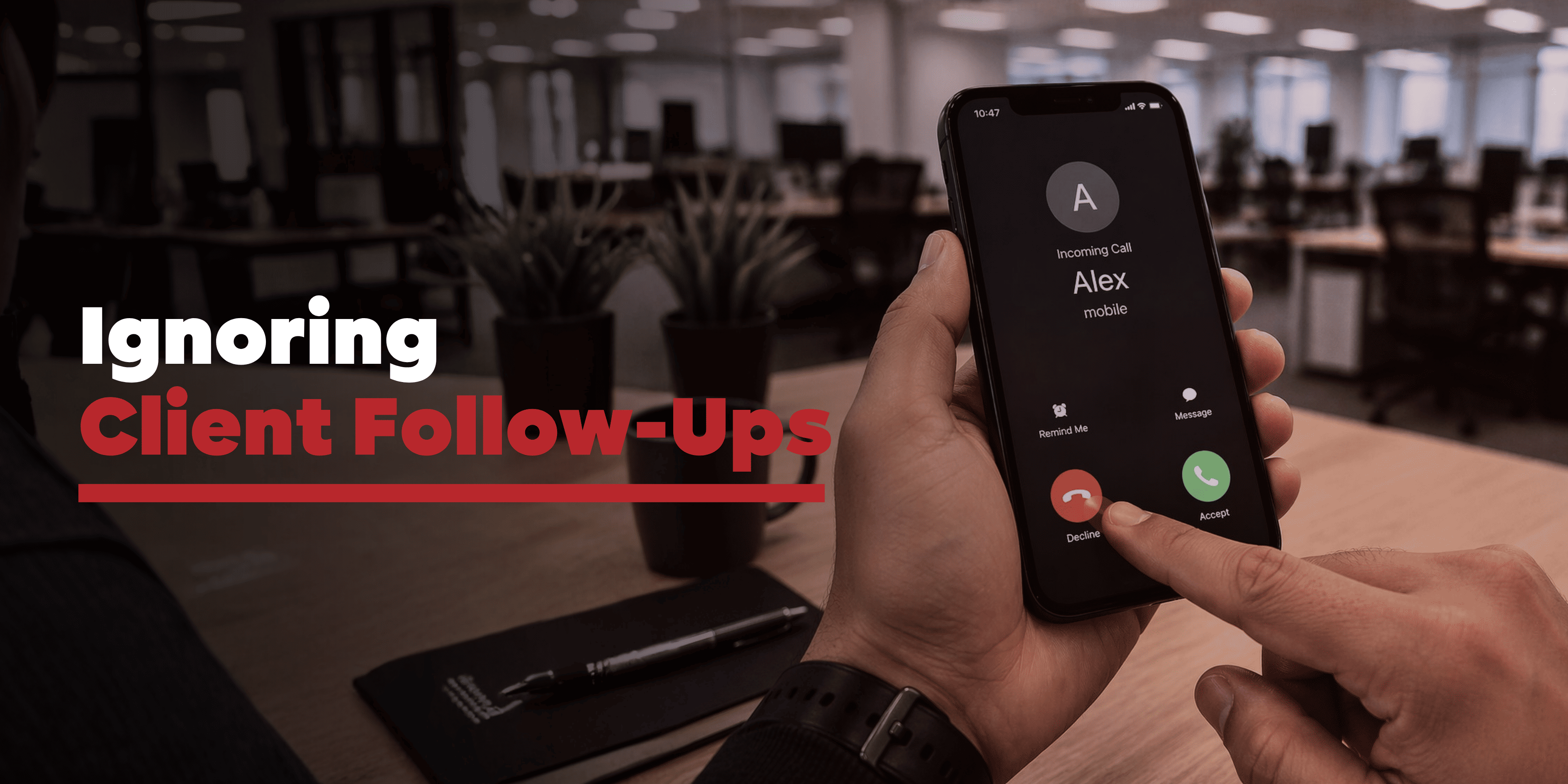
2. Ignoring Client Follow-Ups.
Too many new brokers stop after the sale and forget that customer care is ongoing. In aviation sales, follow-up is critical. In fact, research shows 50% of deals close only after five or more touch points . Always schedule client check-ins and reminder calls. A robust follow-up cadence (emails, calls, texts) keeps you top-of-mind and often turns one charter into repeat business or referrals.
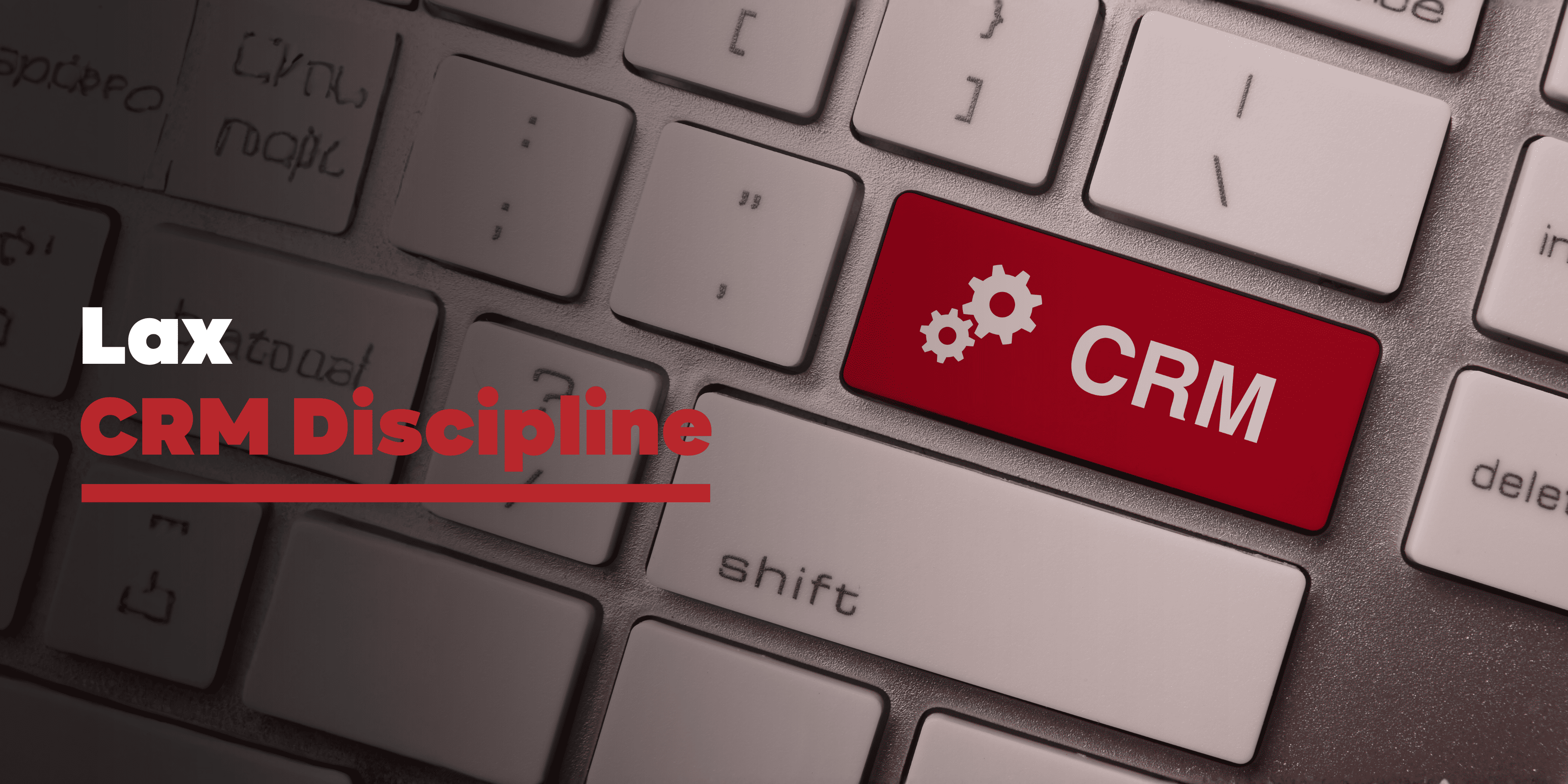
3. Lax CRM Discipline.
Using a CRM is pointless if you don’t update it daily. In fact, 43% of sales teams under-use their CRM, fail to fully implement it, and end up with fragmented data. Keep meticulous records of every lead, quote and customer interaction. According to Younes Ezzaki, "an excellent CRM hygiene will be the key differentiator between an average broker, and a top performer". Use automated reminders in your CRM for callbacks and renewals. Consistent CRM hygiene will prevent missed inquiries and help you forecast revenue and workload more accurately.

4. Thinking the Deal Ends at Payment.
Don’t vanish once you’ve collected your commission. A charter flight involves many moving parts – paperwork, ops coordination, last-minute changes... so stay engaged through completion. Check on the flight plan, handle any hiccups, and confirm the client’s satisfaction after landing. By closing the loop (sending a thank-you, asking for feedback or referrals), you turn a one-off charter into a long-term relationship.

5. Skipping Social Media.
Dismissing social channels is a missed opportunity. Social media isn’t just posting jet photos, it’s a way to build credibility and generate leads. Experts note that aviation brands use social platforms to highlight expertise and engage clients. Share industry news, behind-the-scenes charter stories, or safety tips. Platforms like LinkedIn, Instagram or Twitter give you a direct line to past clients and prospects, showing transparency and expertise that builds trust. Use it wisely though.

6. Dreading Cold Calling.
Don’t let fear of cold calling hold you back. Surprisingly, cold outreach still drives a huge chunk of B2B sales. Research finds over 50% of leads originate from cold calls, and 78% of decision makers have agreed to a meeting after a cold call. In other words, done right, dialing strangers can build your pipeline. Develop a script, focus on listening more than pitching, and bundle cold calls with email and LinkedIn touch points. Persistence wins: most deals require multiple calls, so commit to following up at least 5 to 8 times per lead .

7. Forgetting Other Brokers Can Be Allies.
New brokers often see peers only as competitors, but the aviation network is collaborative. In fact, brokers frequently refer clients. One broker explains they would tell a client: “I’d speak with an east coast broker who specializes in that route… I can refer you” . Building relationships with fellow brokers can expand your reach. You might send each other leads for aircraft or legs you can’t service. Join broker alliances or Whatsapp groups, and be prepared to both give and take referrals.

8. Overusing AI for Legal Docs.
Tools like ChatGPT can draft a contract, but legal experts warn AI contracts are often too generic. They may look polished on paper, yet critical gaps surface when you need to enforce them. For example, AI might omit detailed cancellation or liability clauses that protect you. Always have a qualified attorney (or seasoned broker) review and customize any AI-drafted contract. Think of AI as a starting point, but not a final safety net. Also ensure your agreements cover all flight-specific risks and obligations.

9. Quoting Too High for Quick Commission.
It might be tempting to jack up prices to boost your fee, but customers will notice. Overpricing deals can kill trust and reputation. As Younes Ezzaki puts it, some brokers just “slap on giant markups…to meet their targets and earn commission by any means”, and that approach frustrates clients. Instead, do your homework: know typical charter rates for each aircraft type. Consider pricing transparently by showing the operator quote and then adding your service fee. Offering fair, well explained pricing (and negotiating only modestly) wins more business in the long run.
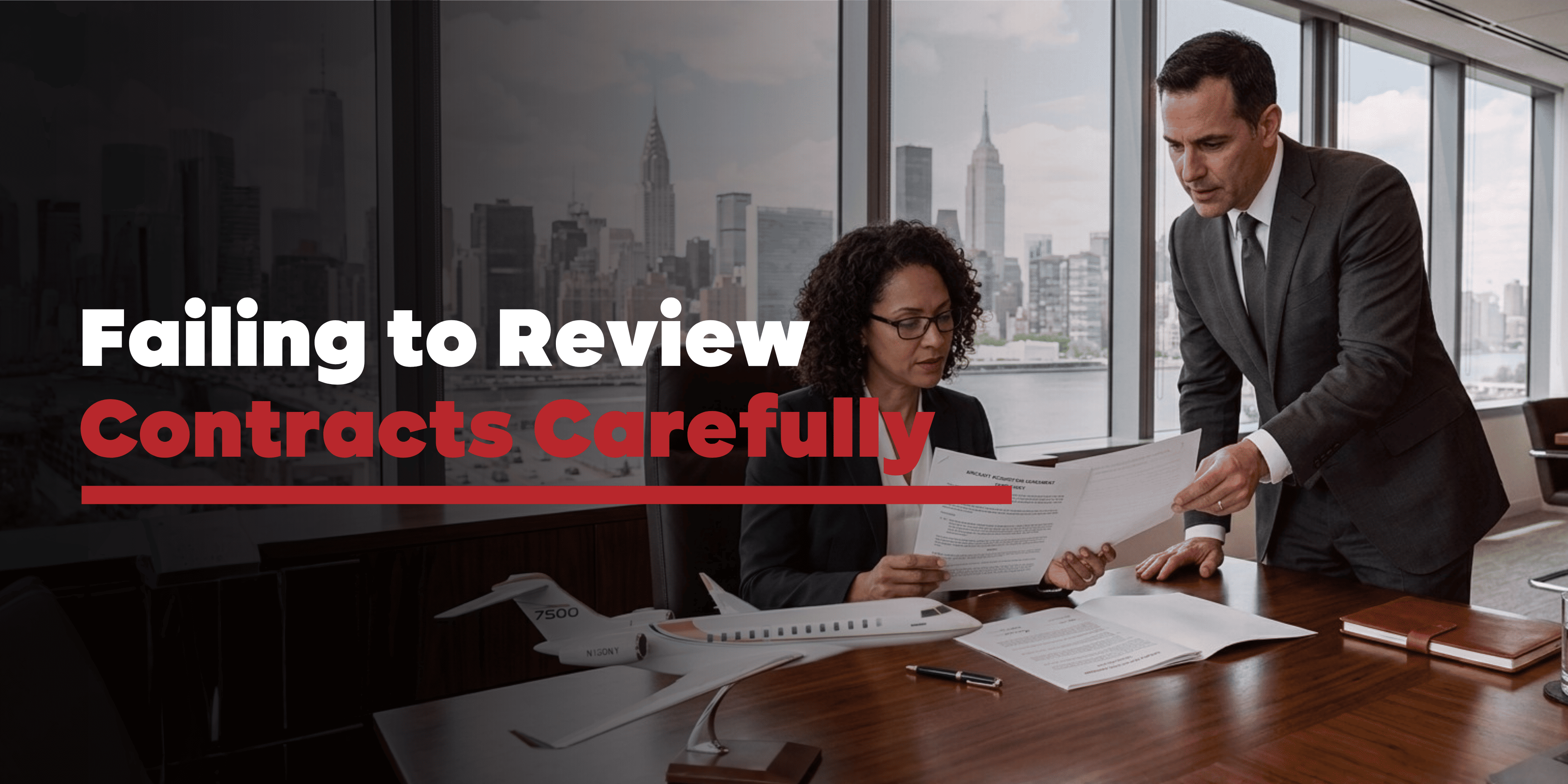
10. Failing to Review Contracts Carefully.
Don’t skip the fine print, and consider mirroring key terms of the operator’s agreement. For instance, if the carrier’s contract has a 50% cancellation penalty, the broker’s client agreement should provide the same for maximum protection. Go clause-by clause before signing: check dates, aircraft tail number, fees, insurances, termination terms, and hidden charges. Aligning your contract with the carrier’s terms (and getting written carrier terms from the operator) avoids nasty surprises. When you insist on clear, matching contracts, you protect yourself, the client, and your credibility.